How were Myndstream’s curated playlists received?
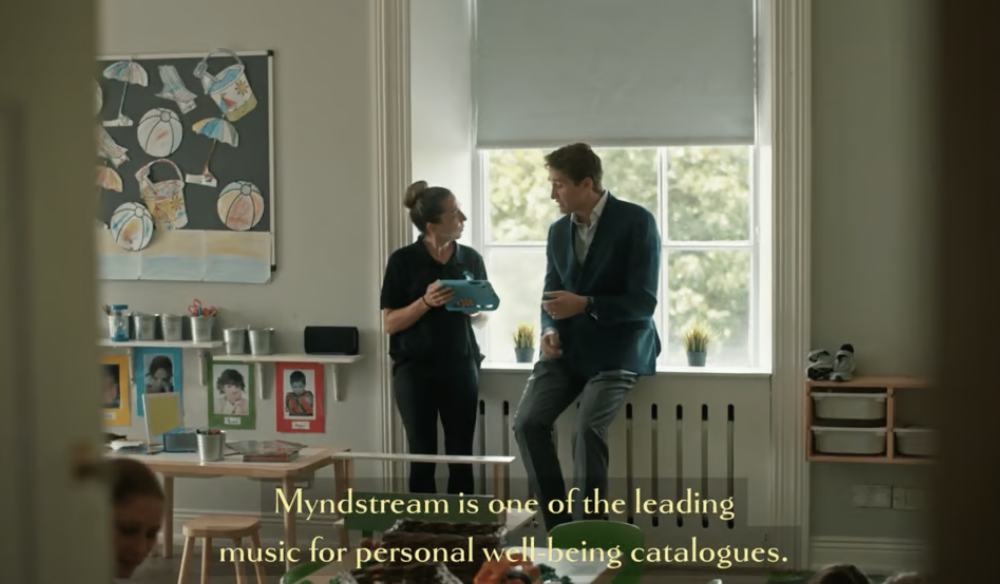
According to Anna Buckley, child care worker at Junior Genius, these playlists had a clear impact on all four phases, helping the children to stay focused, calm and relaxed, as well as more engaged during focus and play times;
“They stay focused, it calms them, it relaxes them, and they tend to ask more questions,” she said.
As Professor Ockelfield states in the film, music forms an integral part of our neural architecture. With humans first starting to make music around half a million years ago, and with language coming along some 300 thousand years later, it’s clear that music “transcends boundaries.”
Regarding the impact that music can have on individuals with autism spectrum disorder, Professor Ockelfield explains:
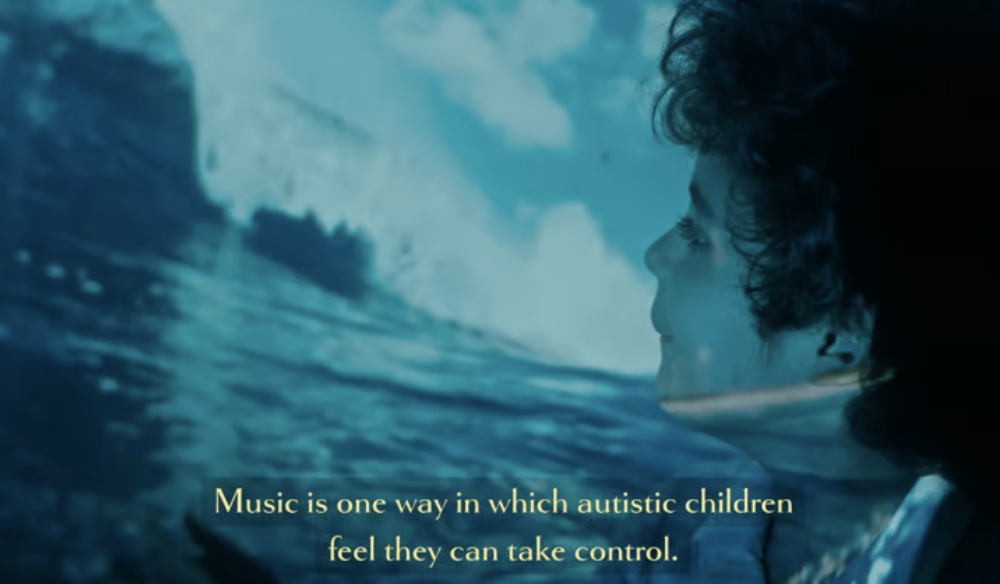
“Music is one way in which autistic children feel they can take control – it can be hard to have a sense of agency when you can’t talk very well, but by engaging in a musical game, a musical dialogue, suddenly they’re equals, and that’s really important.”
He goes on to explain the important role that music can play in the life of those with autism spectrum disorders. Autistic children can face difficulties when receiving so many social functioning and behavioural instructions, as it can feel critical, but as Ockelfield states:
“Music doesn’t criticise, it doesn’t tell them off; it just is.”
Definition of Autism Spectrum Disorder
As per the Diagnostic and Statistical Manual (DSM) used by qualified mental health professionals in the diagnosis and treatment of mental disorders and neurodivergence such as ASD, the diagnostic criteria for Autism is:
Persistent deficits in social communication and social interaction across multiple contexts – deficits in social-emotional reciprocity, in nonverbal communication and in developing, maintaining and understanding relationships.
The severity of autism is diagnosed using a childhood autism rating scale and depends upon the ‘severity of social communication impairments, and restricted patterns of behaviour.’ Level one indicates the requirement for support, level 2 requires substantial support, and level 3 requires very substantial support.
For many autistic children, music therapy can greatly enhance their skills and understanding in both verbal and non verbal communication, and enhance their ability to focus, engage, self-regulate their emotions, enhance their social skills, and much more.
Music and Autism Spectrum Disorder
The number of studies demonstrating effective outcomes through the implementation of music therapy is ever-growing.
Research tells us that the benefits of both individual and music therapy group intervention are wide-ranging, and specific to an individual’s unique needs. When it comes to the effects on a person with Autism Spectrum Disorder (ASD), the benefits of music therapy are, again, strongly backed by the evidence.
Utilising music therapy for autistic children or adolescents or adults with autism spectrum disorder can result in improvements in areas such as:
- communication skills
- language ability
- self-expression
- emotional regulation
- cognitive development
- social development
- creativity
- self-esteem and empowerment
A 2018 study published by the National Library of Medicine (NIH) and Translational Psychiatry also demonstrates a clear link between ‘music intervention’ and improved social interaction and communication skills in young adults and children with autism spectrum disorder.
The randomised control study demonstrates that – relative to non-music behavioural intervention – a course of 8-12 weeks of music intervention can improve social and communication skills (as reported by parents), Family Quality of Life (FQoL), and the intrinsic brain connectivity of (school-age) children with autism spectrum disorder. This research clearly supports the therapeutic use of music therapy sessions for individuals with autism spectrum disorder, and particularly those of school age.
Music therapy benefits
Music therapy is a popular and well-established technique for assisting individuals to improve their ability to function.
Both children and adults on the autism spectrum can experience a wide range of emotional processing and cognitive function challenges, and musical interaction can greatly assist in lowering anxiety, building social communication skills (both in spoken words and non-verbal cues) and improving feelings of agency and self-worth.
Music therapists often work with autistic people to help improve a range of skills. Areas of improvement commonly reported include communication and social skills, cognition, behaviour, sensory issues, motor skills, and feelings of self-reliance. Music therapists take the time to find the specific musical preferences, experiences and styles that the individual responds well to helping to build trust, reduce anxiety and connect through music within a therapeutic relationship.
A meta-study focused on music as a therapeutic intervention for autism, the benefits are considerable, including (but not limited to):
- appropriate social engagement and behaviour
- increased gesturing, vocalisation and verbalisation
- improved vocabulary comprehension
- increased attention and focus
- improved communication and social skills
- reduced anxiety
- enhanced coordination
- improved self-care skills
Music, autism and emotion
Individuals with autism spectrum disorder are often particularly responsive to music, and given its engaging and motivating nature, music can be used to reinforce desired motivations and responses.
Studies also show that music therapy outcomes can also help people with sensory aversions to particular sounds to regulate their feelings and responses to sound sensitivities and other differences in auditory processing.
People with autism can struggle to regulate their emotions, and this can be further hampered by sensory overload. Finding tracks of music that soothe sensory aversions and effectively drown out background noise that may otherwise be hard for an autistic person to process can help them to regulate their emotions more effectively and reduce anxiety.
One of the primary indications of ASD is altered intrinsic brain connectivity, with both under-connectivity and over-connectivity being reported. Over-connectivity of sensory-related networks, and the under-connectivity of cortico-subcortical and fronto-temporal networks are particular areas of music intervention treatment as they are so closely linked to the social and verbal communication difficulties common to many people on the autism spectrum.
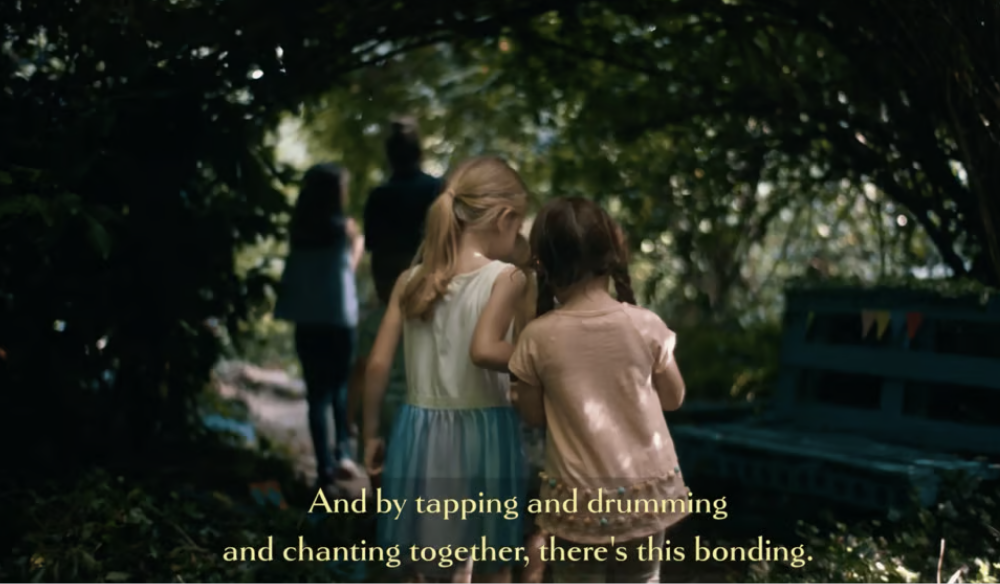
Furthermore, the positive impact that music can have on enhancing social skills in children has been demonstrated on a broad level. Studies have found that children are more likely to connect and play with other typically developing peers after sharing a musical experience, and that such shared musical interactions and joint rhythmic movement can promote social engagement, enhanced prosociality, empathy and bonding in developing children.
Join the debate #inpursuitofwellness